Para Special Forces – Complete Guide
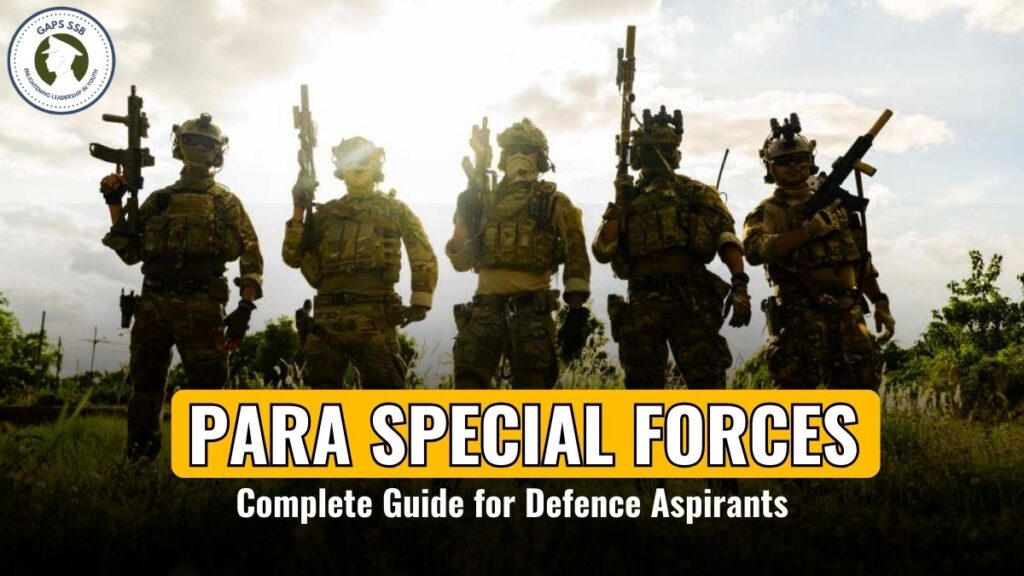
The Para Special Forces are among the most elite and highly trained units of the Indian Army. Known for their courage, endurance, and exceptional combat skills, these commandos are trained to carry out some of the most difficult military operations. From counter-terrorism missions to deep reconnaissance and unconventional warfare, Para Special Forces personnel operate in some of the toughest environments in the world. Their training, discipline, and operational capabilities make them one of the most respected special operations units in India. For defence aspirants preparing for interviews and personality assessments, understanding the structure, history, and role of the Para Special Forces is extremely important. What is Para SF? The term Para SF refers to the Special Forces units of the Parachute Regiment of the Indian Army. These commandos are specially trained for high-risk operations such as: The Para Special Forces are considered among the most elite military units in the country due to their demanding selection process and intense training. Many defence enthusiasts also compare them with the Top 10 Special forces in India, where Para SF consistently ranks among the most capable special operations units. History of Para Special Forces The history of Para Special Forces dates back to the mid-1960s. During the 1965 conflict, a special commando unit was raised under the leadership of Major Megh Singh to conduct cross-border operations in the northern sector. This small unit performed several successful missions and later became the foundation for the modern Para Special Forces structure. In 1967, the first dedicated special forces battalion was officially established. Over time, the force expanded into several specialized battalions trained for different terrains and operational requirements. Today, Para Special Forces units operate across mountains, deserts, jungles, and urban environments. Motto and Identity The official motto of the Para Special Forces is: “Men Apart, Every Man an Emperor.” This motto reflects the elite nature of these commandos, who are expected to operate independently and perform missions beyond the capability of conventional infantry units. The soldiers wear a distinctive maroon beret, symbolizing airborne forces, along with the famous Balidaan badge, which represents sacrifice and courage. All Para SF Units The Indian Army currently maintains several battalions within the Para Special Forces structure. These battalions specialize in different types of warfare depending on terrain and operational requirements. Some well-known All Para SF units include: Each of these battalions forms part of the All Para SF units that contribute to India’s strategic military capability. 9 Para SF – Mountain Warfare Specialists One of the most respected battalions in the Para Special Forces structure is 9 Para SF. This unit is highly trained in mountain warfare and frequently operates in high-altitude areas. The soldiers of 9 Para SF are known for their exceptional endurance and combat skills in extreme terrain. Their operational experience has made 9 Para SF one of the most recognized units within the Para Special Forces. 10 Para SF – Desert Warfare Experts Another important battalion is 10 Para SF, which specializes in desert warfare operations. The soldiers of 10 Para SF undergo training designed specifically for desert environments where extreme temperatures and harsh terrain create unique combat challenges. Because of this specialization, 10 Para SF plays a crucial role in operations requiring desert combat expertise. 4 Para Special Forces The 4 Para Special Forces battalion has a long history of operational experience in counter-insurgency missions. The soldiers of 4 Para Special Forces are trained in close-quarter combat, intelligence gathering, and rapid strike operations. Their experience in high-risk missions makes them an important part of the Para Special Forces network. What Are 7 Para Special Forces? A common question asked by defence aspirants is: What are 7 para special forces? 7 Para SF is another battalion of the Para Special Forces that performs special reconnaissance and operational missions in difficult terrains. Like other units, it undergoes the same rigorous selection and training process. Understanding What are 7 para special forces? is helpful for candidates preparing for defence interviews and discussions related to special operations units. What is the 11 Para Special Forces? Another frequently asked question is What is the 11 para special forces? 11 Para SF is a specialized battalion within the Para Special Forces structure that carries out strategic missions and specialized operations when required. Knowledge about What is the 11 para special forces? helps aspirants understand the broader operational structure of the Parachute Regiment. How to Join Para Special Forces Many defence aspirants are curious about How to join para Special Forces. The process is extremely challenging and requires dedication, physical fitness, and mental strength. Steps for How to join para Special Forces include: The probation stage for Para Special Forces is known for its extremely high difficulty level, where only the most determined candidates succeed. Para Commando Salary Many candidates also search for Para Commando salary before choosing this career path. The Para Commando salary depends on the rank of the soldier or officer. In addition to basic military pay, commandos receive special allowances. These benefits may include: Because of the demanding nature of the job, the Para Commando salary includes several additional benefits. What is the Para SF Salary? Another common question is What is the para sf salary? The Para SF salary is similar to other Indian Army ranks but includes extra allowances due to the specialized role of the unit. Personnel serving in Para Special Forces may receive: Understanding What is the para sf salary? helps aspirants gain a realistic idea about the financial aspects of the career. Para Special Forces in Military Operations Over the years, Para Special Forces have been involved in several important operations including counter-terrorism missions and strategic military tasks. Their operational experience across different terrains proves why Para Special Forces are considered among the most capable units in India. Because of their combat experience, they are often included when discussing the Top 10 Special forces in India. Why Defence Aspirants Should Know About Para SF Understanding the role and structure of Para
NCC Full Form – Complete Guide
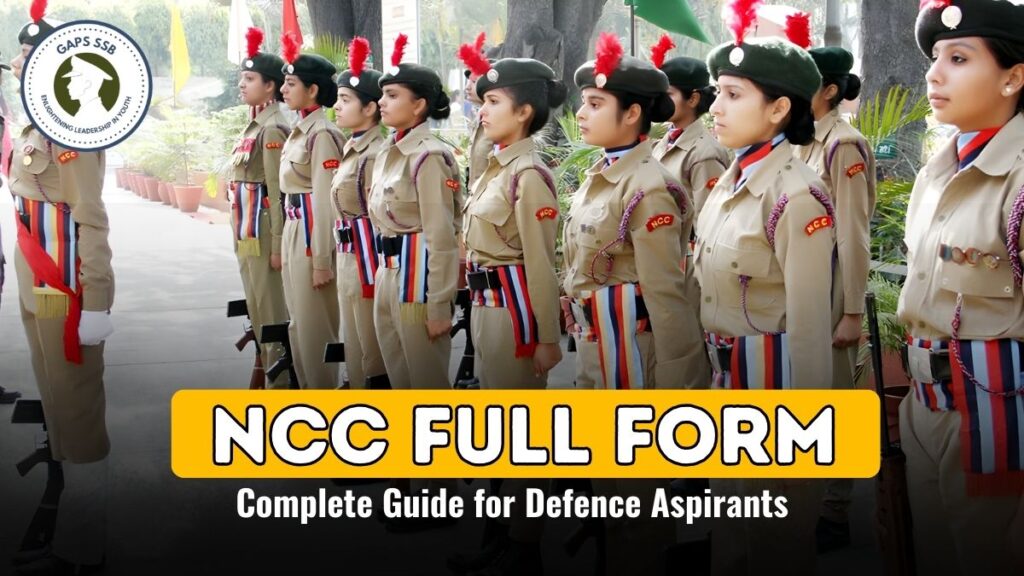
Many students who dream of joining the Indian Armed Forces often come across the term NCC during their school or college years. But many still ask questions like What is a NCC full form? and How can I join NCC? The NCC full form is National Cadet Corps, which is one of the largest uniformed youth organizations in India. The organization focuses on developing leadership, discipline, patriotism, and character among young students. It plays an important role in preparing youth for careers in defence services as well as responsible citizenship. In this article, you will learn about the NCC full form, its history, training system, benefits, and answers to common questions such as How can I join NCC? and Which rank is highest in NCC? What is a NCC Full Form? Many students frequently search What is a NCC full form? when they first hear about it in school or college. The NCC full form is National Cadet Corps. It is a voluntary organization for students that provides basic military training and personality development programs. The organization was established under the NCC Act of 1948 to train young citizens in leadership, discipline, and national service. Today, the NCC full form represents an organization that develops responsible youth who can contribute to the country in both military and civilian fields. History of NCC The history of the NCC full form dates back to the period after India gained independence. On 16 July 1948, the National Cadet Corps was officially formed following recommendations from the Kunzru Committee. The purpose was to create a trained youth force that could assist the nation in times of need. During the wars of 1965 and 1971, NCC cadets helped the armed forces by supporting supply chains, civil defence, and rescue operations. Over time, the focus of the NCC full form expanded from purely military training to overall personality development, leadership training, and community service. Motto of NCC The official motto of the NCC full form organization is: “Unity and Discipline.” This motto reflects two important values: These values are considered essential for building strong leaders and responsible citizens. Aim of NCC The aim of the NCC full form organization is to build a disciplined and motivated youth force. The main objectives include: Today, the NCC full form organization includes more than 13 lakh cadets, making it one of the largest youth organizations in the world. What is NCC and Its Importance? Understanding What is a NCC full form? also involves understanding its real-life importance. NCC training helps students develop important life skills such as: Cadets also get exposure to adventure activities such as trekking, mountaineering, and other outdoor training programs. These experiences help students prepare for future leadership roles. NCC Training and Activities Training in the NCC full form organization includes a variety of activities designed to build character and discipline. Some of the major training activities include: Through these activities, cadets develop a disciplined lifestyle and leadership qualities that help them succeed in their careers. Benefits of Joining NCC The NCC full form organization offers several advantages for students. Career Opportunities NCC certificates provide benefits in defence recruitment and some government job opportunities. Personality Development Training improves communication skills, confidence, and leadership ability. Adventure and Exposure Cadets participate in camps, cultural programs, and national-level events. Preparation for Defence Services NCC training helps candidates prepare for careers in the armed forces. These benefits make the NCC full form organization an excellent platform for young aspirants. NCC Certificates The NCC full form organization offers three main certificates based on the level of training. A Certificate Issued to school-level cadets after basic training. B Certificate Awarded to college-level cadets after completing two years of training. C Certificate The highest certificate in NCC, given after advanced training and camps. The C Certificate is especially valuable for students planning a defence career. How Can I Join NCC? Many students frequently ask How can I join NCC? Joining NCC is quite simple for students studying in schools or colleges. Steps to join include: Students who want to build discipline and leadership often choose this path, which answers the question How can I join NCC? Which Rank is Highest in NCC? Another common question among cadets is Which rank is highest in NCC? In the cadet rank structure, the highest rank for a cadet is usually Senior Under Officer (SUO). The rank hierarchy may include: This answers the frequently asked question Which rank is highest in NCC? Why NCC is Helpful for Defence Aspirants Students preparing for careers in the armed forces often benefit greatly from NCC experience. NCC cadets gain: These qualities help candidates perform better in defence exams and interviews. Conclusion The NCC full form – National Cadet Corps – represents one of the most influential youth organizations in India. Since its establishment in 1948, it has played a vital role in developing disciplined and responsible citizens. From leadership training to adventure activities and community service, NCC provides valuable experiences that shape the future of young students. For defence aspirants wondering What is a NCC full form?, How can I join NCC?, or Which rank is highest in NCC?, the answer lies in exploring this unique organization that prepares youth to serve the nation with pride and dedication.
CISF Detailed Information
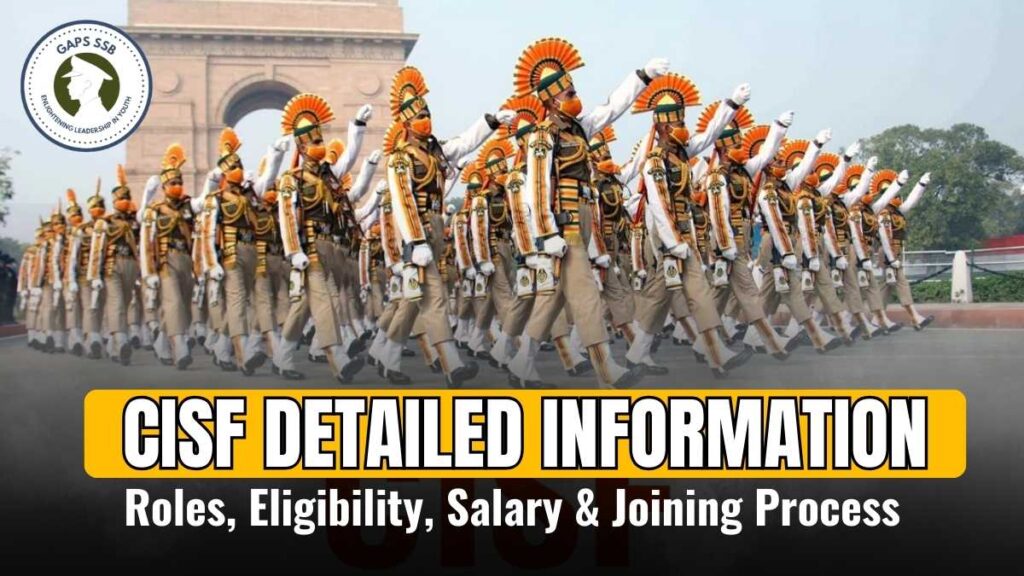
The Central Industrial Security Force (CISF) is one of the most important security forces responsible for protecting critical infrastructure in India. When We talk abiut CISF Detaild Information so CISF Established to safeguard strategic installations and public sector units, the force plays a vital role in maintaining internal security across the country. In this article, you will find CISF Detaild Information including its history, duties, recruitment process, eligibility criteria, salary structure, and other important details. This guide is useful for aspirants preparing for defence and paramilitary examinations. CISF Full Form The CISF Full form is Central Industrial Security Force. It is one of the Central Armed Police Forces of India that functions under the Ministry of Home Affairs. The force was established in 1969 with the objective of protecting major industrial installations and government infrastructure. Later, in 1983, it was officially declared an armed force of the Union. Understanding the CISF Full form is often one of the first questions asked in competitive exams related to defence and paramilitary forces. CISF Detailed Information – Overview For aspirants looking for CISF Detaild Information, here are some key facts about the force: The main role of the force is to protect important national assets and provide security to sensitive locations across India. This CISF Detaild Information is important for candidates preparing for various government examinations. Roles and Responsibilities of CISF One of the most important parts of CISF Detaild Information is understanding its responsibilities. The CISF provides security to several important sectors including: Apart from these responsibilities, the force also contributes to disaster management operations and assists authorities during emergencies. Because of its specialized role, the CISF has become a critical pillar of national security. CISF Security for Private Sector In recent years, CISF has expanded its responsibilities beyond government establishments. The force can now provide security services to certain private sector organizations and important corporate infrastructure. This expansion of duties is an important aspect of modern CISF Detaild Information, reflecting the growing importance of professional security services in India. CISF Vacancy Many aspirants search for CISF Vacancay notifications every year. Recruitment is conducted for several posts such as: These vacancies are announced periodically through official recruitment notifications. Understanding CISF Vacancay updates is important for candidates who wish to join the force. CISF Age Limit Candidates applying for CISF recruitment must meet the required CISF Age Limit criteria. Generally: Age relaxation may be provided for candidates belonging to reserved categories according to government rules. Checking the CISF Age Limit before applying is an important step in the recruitment process. CISF Eligibility Candidates must meet certain CISF elibility requirements before applying for recruitment. Educational Qualification For most constable-level posts, candidates must have completed Class 10 or Class 12 from a recognized board. For officer-level positions, a graduate degree may be required. Physical Standards Candidates must also meet specific physical standards including height, chest measurement, and physical fitness. Meeting the required CISF elibility criteria is essential to move forward in the selection process. CISF Joining Process Understanding the CISF joing Process is important for aspirants preparing for recruitment. The CISF joing Process usually includes several stages: Written Examination Candidates first appear for a written test that evaluates general knowledge, reasoning ability, and numerical aptitude. Physical Efficiency Test Candidates must pass physical tests such as running, long jump, and other endurance activities. Physical Standard Test Height, weight, and chest measurements are verified. Medical Examination Candidates undergo medical tests to ensure they are physically fit for service. Document Verification Educational and personal documents are verified before final selection. Successfully completing the CISF joing Process allows candidates to join the force and begin training. CISF Salary The CISF Salary depends on the rank and position of the candidate. For example: Along with the basic CISF Salary, personnel also receive various benefits including: These benefits make CISF an attractive career option for many aspirants. Training and Career Growth After completing the CISF joing Process, selected candidates undergo professional training. The training focuses on: Personnel may also receive specialized training for airport security, industrial security, and other advanced roles. This training helps them perform their duties efficiently and contributes to the overall strength of the force. Conclusion The Central Industrial Security Force plays a crucial role in protecting India’s most important infrastructure and institutions. Through its dedicated personnel and professional training, the force ensures the safety of critical national assets. This article provided CISF Detaild Information including its history, duties, recruitment process, eligibility requirements, salary structure, and career opportunities. For candidates who aspire to serve the nation in the security sector, CISF offers a stable career path with opportunities for growth, responsibility, and national service.
History Of Jat Regiment
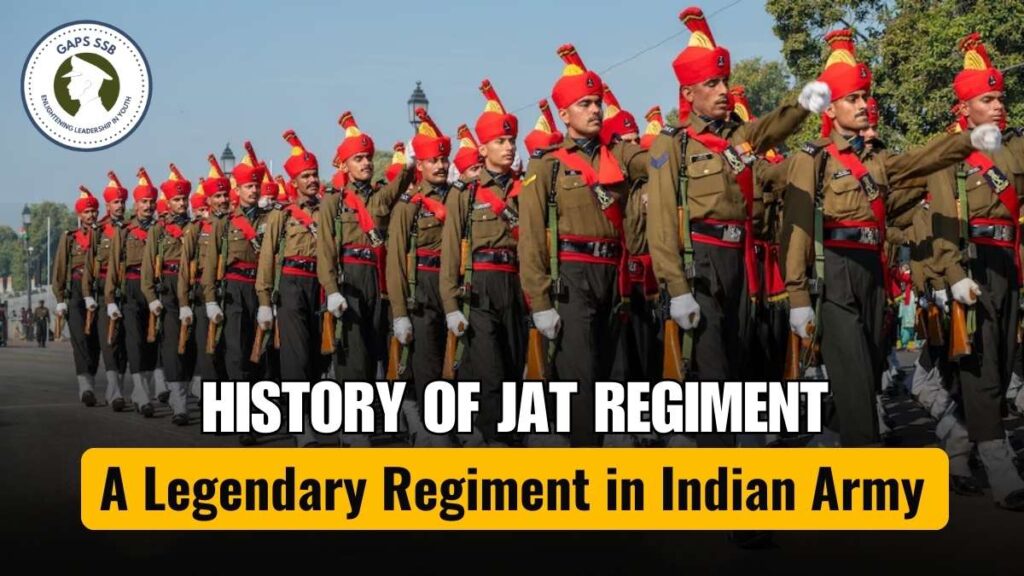
The History Of Jat Regiment is one of courage, sacrifice, and exceptional bravery in the Indian Armed Forces. Known for its fearless soldiers and outstanding battlefield performance, the Jat Regiment infantry is among the most decorated fighting units in the Indian military. Over the years, the regiment has built a remarkable reputation for its discipline, strength, and commitment to the nation. The Jat Regiment infantry is recognized as one of the oldest and most decorated units among any Regiment in Indian Army. With a legacy spanning more than two centuries, the regiment has played a vital role in major conflicts including the World Wars, the wars after independence, and several important military operations. In this article, we explore the History Of Jat Regiment, its origin, achievements, traditions, and its continued contribution to the defence of India. Jat Regiment Full Form Many aspirants often search for the Jat Regiment full form, but the truth is that it is not an abbreviation. The term simply refers to the Jat Regiment, a historic infantry regiment of the Indian Army primarily composed of soldiers from the Jat community. The Jat Regiment infantry is known for its outstanding physical endurance, courage, and strong warrior traditions. Origin and Early History The History Of Jat Regiment dates back to the late 18th century. The regiment is believed to have originated in 1795 when it was raised under the Calcutta Native Military, which later became a battalion of the Bengal Army. The British administration observed the strength, resilience, and fighting spirit of Jat warriors during several confrontations. Impressed by their courage, they started recruiting Jat soldiers into their army units. In 1803, the first battalion known as the 22nd Bengal Native Infantry was formed. Later, additional battalions were created in 1817 and 1823, gradually expanding the regiment’s strength. The modern structure of the regiment was formally established in January 1922, when the 9th Jat Regiment was organized as part of military restructuring. This phase marks an important milestone in the History Of Jat Regiment. Motto and Spirit of the Regiment One of the most powerful aspects of the History Of Jat Regiment is its warrior spirit and unity. The motto of the regiment reflects its strong traditions and values. Jat Regiment Slogan The famous Jat Regiment Slogan is: “Jat Balwan, Jai Bhagwan” This slogan symbolizes courage, faith, and determination. When soldiers of the Jat Regiment infantry enter the battlefield, this war cry boosts morale and unity among the troops. The official motto of the regiment is “Organization and Valor”, which represents teamwork and bravery. Jat Regiment Uniform and Insignia The Jat Regiment Uniform reflects the proud identity and traditions of the regiment. Like other infantry units, soldiers wear the standard uniform of the Indian Army, but the regiment also has its own distinctive insignia and symbols. The insignia features the Roman numeral IX (9) representing the historical 9th Jat Regiment. Above the insignia appears the national motto “Satyamev Jayate”, symbolizing truth and honor. This identity has remained an important part of the History Of Jat Regiment and represents the legacy carried by every soldier of the regiment. Growth and Structure of the Regiment Over time, the regiment expanded and strengthened its presence in the Indian Army. Today, the Jat Regiment infantry consists of multiple battalions that serve across various operational areas. At present: The majority of soldiers in the Jat Regiment infantry are recruited from Haryana, Western Uttar Pradesh, Rajasthan, and Delhi, though other communities are also represented. This diversity and unity are an essential part of the History Of Jat Regiment. Gallantry Awards and Achievements The History Of Jat Regiment is filled with numerous acts of bravery and gallantry. The regiment has received several prestigious military awards for its courage in battle. Since independence, the regiment has earned: These awards highlight the exceptional performance of the Jat Regiment infantry in combat operations. Because of its remarkable achievements, the regiment is considered one of the most decorated units among any Regiment in Indian Army. Role in World Wars The History Of Jat Regiment includes significant contributions during the First and Second World Wars. During these global conflicts, battalions of the regiment served in several international battlefields. The soldiers displayed extraordinary courage and received several honors, including prestigious gallantry awards. Their performance helped establish the Jat Regiment infantry as one of the most respected fighting units in the military. These achievements played a major role in strengthening the reputation of the Regiment in Indian Army. Role in Post-Independence Wars After India gained independence, the History Of Jat Regiment continued to grow with remarkable contributions in multiple wars and operations. The regiment fought bravely in: During the 1999 Kargil conflict, several battalions of the Jat Regiment infantry fought courageously and demonstrated exceptional bravery in high-altitude combat conditions. These contributions strengthened the reputation of the regiment and reinforced its legacy within the Regiment in Indian Army. Heroic Soldiers of the Jat Regiment The History Of Jat Regiment also includes stories of heroic soldiers who sacrificed their lives for the nation. One such example is Captain Anuj Nayyar, an officer of the 17th Battalion Jat Regiment, who was awarded the Maha Vir Chakra for his bravery during the Kargil conflict in 1999. Such acts of courage continue to inspire future generations of soldiers serving in the Jat Regiment infantry. Jat Regiment History in Modern Times The Jat Regiment History continues to evolve with modern military requirements. Today, the regiment remains actively involved in national security operations and peacekeeping missions. Soldiers from the Jat Regiment infantry serve in various operational areas including high-altitude borders, counter-terrorism missions, and international peacekeeping assignments. The values of courage, discipline, and unity that shaped the History Of Jat Regiment continue to guide its soldiers today. Conclusion The History Of Jat Regiment stands as a powerful example of bravery, sacrifice, and military excellence. From its origins in the 18th century to its modern role in safeguarding the nation, the regiment has consistently upheld the highest traditions of the
Important Missiles of India
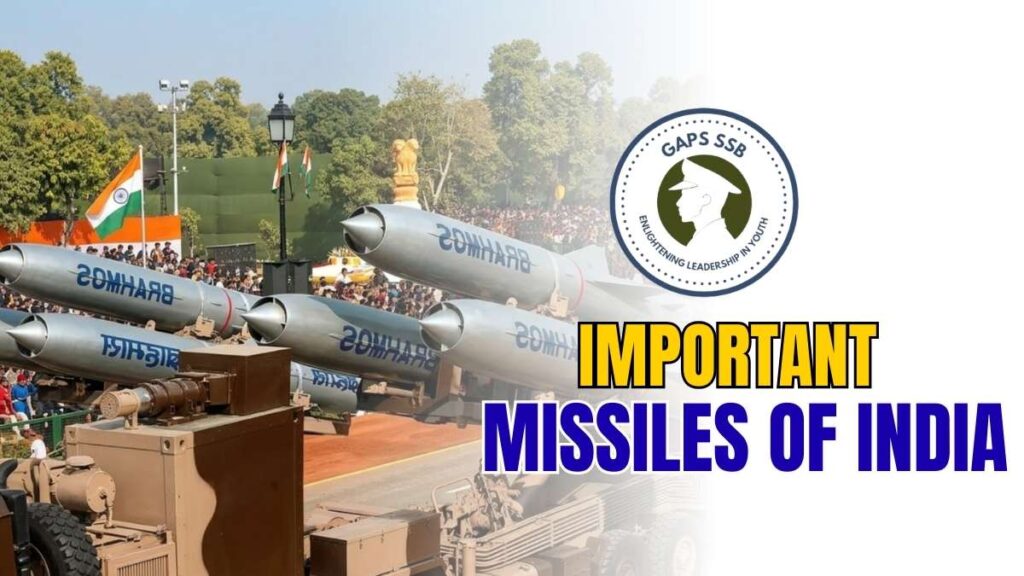
India has made tremendous progress in missile technology over the past few decades. With continuous research and development in strategic defence systems, the country now possesses some of the most advanced missile systems in the world. Understanding the Important Missiles of India is essential for defence aspirants preparing for exams like NDA, CDS, AFCAT, and other competitive defence examinations. Questions related to missile systems frequently appear in the General Studies and Current Affairs sections of these exams. Learning about India Top Missiles 2026 helps aspirants build strong knowledge of India’s strategic capabilities and defence preparedness. This guide explains the Important Missiles of India, their types, ranges, and significance for defence exams. Classification of Missiles Before studying the Important Missiles of India, candidates should understand the basic classification of missile systems. Missiles are generally divided into several categories based on their function and launch platform. Ballistic Missiles Ballistic missiles follow a parabolic trajectory and are usually designed for long-range surface-to-surface attacks. Cruise Missiles Cruise missiles fly at low altitude with high precision and can be launched from land, sea, air, or submarines. Surface-to-Air Missiles (SAM) These missiles are designed to intercept enemy aircraft, drones, or incoming missiles. Air-to-Air Missiles Air-to-air missiles are launched from fighter aircraft to destroy enemy aircraft during combat. Anti-Tank Guided Missiles (ATGM) These missiles are specifically designed to destroy enemy tanks and armoured vehicles. Understanding these categories helps aspirants better remember the Important Missiles of India and identify their roles in national defence. List of Important Missiles of India Below are some of the Important Missiles of India that defence aspirants must study for competitive exams. 1. Agni Series Missiles The Agni missile series forms the backbone of India’s strategic nuclear deterrence capability and is among the India Top Missiles 2026. Agni-I Agni-II Agni-III Agni-IV Agni-V Agni-P (Prime) The Agni series is one of the most Important Missiles of India and a key part of India Top Missiles 2026 discussions. 2. Prithvi Series Missiles The Prithvi series was among the earliest indigenous missile systems developed by India. Prithvi-I Prithvi-II Prithvi-III (Dhanush) The Prithvi missiles remain one of the Important Missiles of India and are frequently asked in defence exams. 3. BrahMos Cruise Missile BrahMos is one of the most advanced supersonic cruise missiles in the world and is counted among India Top Missiles 2026. Key features include: The missile is capable of extremely high precision and rapid strike capability. Because of its advanced technology, it is widely recognized among the Important Missiles of India. 4. Akash Missile System The Akash missile system is a medium-range surface-to-air missile designed to defend against aerial threats. Key features: The improved Akash-NG version has enhanced accuracy and performance, making it part of India Top Missiles 2026. 5. Nag Anti-Tank Missile The Nag missile is an advanced Anti-Tank Guided Missile (ATGM) used to destroy heavily armored enemy tanks. Key features: Variants include: Due to its role in ground combat operations, Nag remains one of the Important Missiles of India. 6. Nirbhay Cruise Missile Nirbhay is a long-range subsonic cruise missile designed for strategic precision strikes. Key features: Because of its advanced design, it is considered among India Top Missiles 2026. 7. Astra Air-to-Air Missile Astra is India’s Beyond Visual Range (BVR) air-to-air missile, designed for modern aerial combat. Key features: The Astra missile plays an important role in India’s air defence capability and is one of the Important Missiles of India. 8. Other Important Missile Systems Several other missile systems are also significant for defence aspirants studying India Top Missiles 2026. Shaurya Barak-8 Agni-VI (Proposed) These systems also contribute to the list of Important Missiles of India. Why Defence Aspirants Must Study Missile Systems Missile systems are a crucial topic in defence examinations. Learning about Important Missiles of India helps candidates prepare effectively for the General Knowledge and Current Affairs sections. Reasons to study missile systems include: Understanding India Top Missiles 2026 also improves overall defence awareness. Preparation Tips for Missile Topics Aspirants preparing for defence exams can follow these strategies: Maintain Short Notes Create simple notes covering missile names, types, and ranges. Focus on Recent Developments Stay updated with the latest defence developments related to India Top Missiles 2026. Revise Regularly Frequent revision helps remember the Important Missiles of India more effectively. Practice Defence GK Questions Regular practice improves recall and confidence during exams. Conclusion Missile technology represents one of the strongest pillars of India’s defence capabilities. Understanding the Important Missiles of India not only helps defence aspirants succeed in exams but also builds awareness about national security and strategic defence systems. By focusing on key systems such as Agni, Prithvi, BrahMos, Akash, Astra, Nag, and Nirbhay, candidates can cover most of the topics related to India Top Missiles 2026. Consistent study, regular revision, and staying updated with defence developments will help aspirants perform well in competitive examinations and move closer to their goal of serving the nation.
How to Join Garud Commando 2026
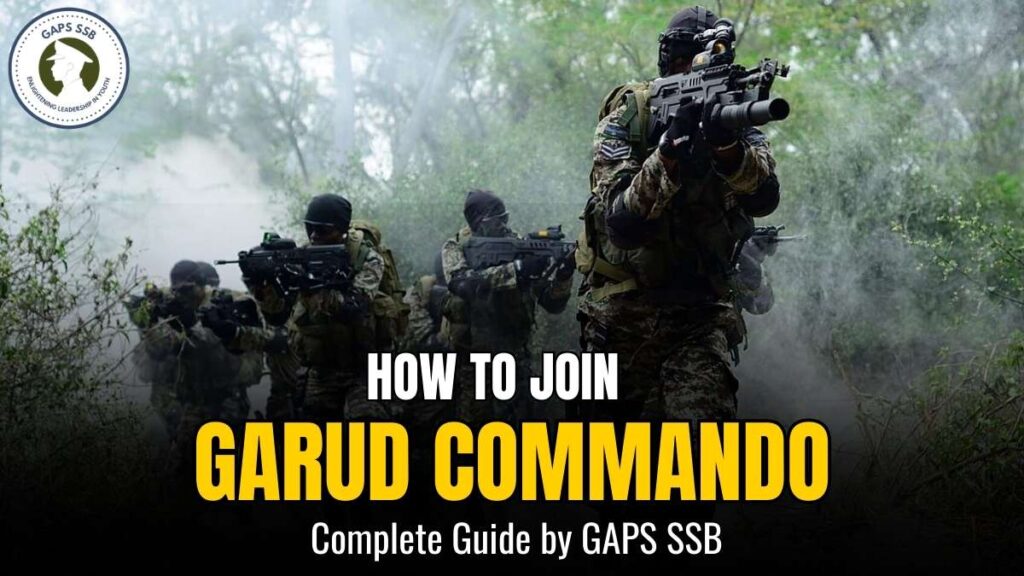
The Indian Armed Forces consist of three main branches: Indian Army, Indian Navy, and Indian Air Force. Each branch has its own elite special forces unit designed to perform high-risk and specialized missions. The Indian Army has Para Special Forces, the Indian Navy has MARCOS, and the Indian Air Force has its elite unit known as the Garud Commando Force. Many defence aspirants dream of serving in these elite units but often lack the right information about the How to Join Garud Commando pathway. Understanding the Garud Commando Joining Process is important for candidates who wish to serve in one of the most specialized forces of the Indian Air Force. This detailed guide explains How to Join Garud Commando, their history, duties, recruitment process, and training structure for aspirants preparing for a career in the Indian Air Force. Brief History of the Garud Commando Force To understand How to Join Garud Commando, it is important to know the origin of this elite unit. The Garud Commando Force was formed after terrorist attacks targeted two major air bases in Jammu and Kashmir in 2001. Although these attacks were successfully handled, it highlighted the need for a specialized force to protect Indian Air Force installations and high-value assets. Initially, the unit was called Tiger Force, but it was later renamed the Garud Force. The first batch consisted of 100 volunteers from the Airmen Training Centre in Belgaum, Karnataka. These volunteers underwent intense commando training, and 62 candidates successfully completed the course. The Garud Commando Force was officially established on 6 February 2004, and it was first publicly presented during the Air Force Day celebration on 8 October 2004. Today, understanding this background helps aspirants appreciate the significance of the Garud Commando Joining Process. Duties and Responsibilities of Garud Commandos Before learning How to Join Garud Commando, candidates should understand the roles and responsibilities of this elite unit. Garud Commandos are trained to perform specialized missions such as: Due to these critical responsibilities, the Garud Commando Joining Process is extremely rigorous and selective. How to Join Garud Commando – Entry Routes Many aspirants ask How to Join Garud Commando in the Indian Air Force. There are two main pathways in the Garud Commando Joining Process: Each route has a different selection procedure and training path. Non-Commissioned Entry – Airmen Route The most common path in How to Join Garud Commando is through the Airmen recruitment process. Candidates are selected directly through recruitment notifications. During the Garud Commando Joining Process, candidates undergo strict mental and physical screening. Key points of this entry route include: Once selected, candidates undergo one of the longest special forces training programs in the Indian Armed Forces. After successfully completing the training, candidates become permanent members of the Garud Commando Force and continue serving in this specialized role during their career. Commissioned Officer Entry Another path in How to Join Garud Commando is through the officer entry route. In this route, candidates first join the Indian Air Force as officers through competitive selection exams. After training, selected officers from the Ground Duty branch may volunteer for the Garud unit. During the Garud Commando Joining Process, officer candidates undergo specialized training before joining operational Garud units. Training Duration and Phases One of the most challenging aspects of How to Join Garud Commando is the training. Garud training is considered one of the longest special forces training programs, lasting approximately 72 weeks. The Garud Commando Joining Process includes several training phases. Phase 1 – Recruitment and Pre-Selection Candidates undergo initial screening to evaluate: Only highly motivated candidates move forward in the Garud Commando Joining Process. Phase 2 – Selection During this stage, candidates face intense physical tests designed to eliminate those who cannot meet special forces standards. The goal is to select only the most capable candidates for further training. Phase 3 – Basic Military Training All candidates go through 12 weeks of basic military training, which includes: This stage converts civilian recruits into trained military personnel before continuing the Garud Commando Joining Process. Phase 4 – Special Forces Training Candidates who pass the basic phase move on to Special Forces training, which is extremely demanding. Training includes: Only the most determined candidates successfully complete this stage of the Garud Commando Joining Process. Phase 5 – Advanced Special Forces Training The final phase includes specialized training such as: During this stage, candidates may also train alongside other elite forces and gain real operational experience. Completing this stage successfully means the candidate has fully passed the Garud Commando Joining Process. Operational Experience and Deployment After training, Garud Commandos are deployed at various Indian Air Force bases across the country. Their responsibilities include: Some Garud Commandos also receive advanced international training and participate in specialized missions. Current Structure of the Garud Commando Force The Garud Commando Force continues to expand as an important unit of the Indian Air Force. Currently: These units are deployed at various air bases to safeguard the critical assets of the Indian Air Force. Conclusion Understanding How to Join Garud Commando is essential for defence aspirants who wish to serve in one of the most elite units of the Indian Air Force. The Garud Commando Joining Process is extremely demanding and requires exceptional physical fitness, mental strength, discipline, and determination. Only the most dedicated candidates successfully complete the rigorous selection and training program. For aspirants aiming to build a career in the Indian Armed Forces, preparing early and developing leadership qualities can significantly improve their chances of success. With the right preparation, dedication, and motivation, candidates can successfully complete the Garud Commando Joining Process and serve the nation as part of this prestigious special forces unit.
CDS vs NDA: Choosing the Best Defence Career Path
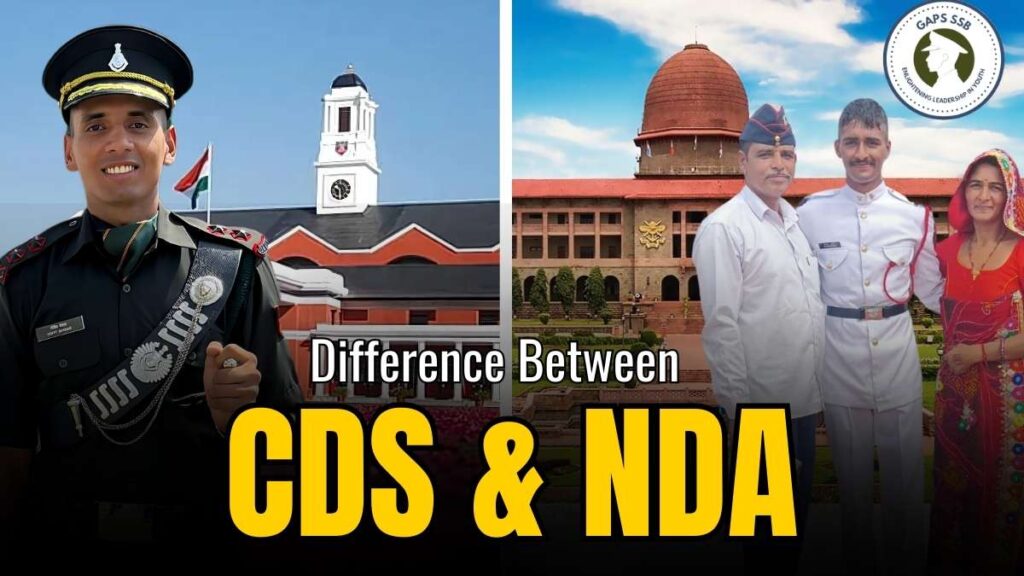
Many defence aspirants often face confusion while deciding between CDS vs NDA as their entry route into the Indian Armed Forces. Both examinations provide the opportunity to become an officer in the Indian Army, Navy, or Air Force, but they differ in terms of eligibility, training structure, career timeline, and lifestyle. Understanding the Difference between CDS & NDA is important before choosing the right path. Your decision should depend on factors such as age, education level, career goals, and readiness for military life. At GAPS SSB in Delhi, defence aspirants receive expert guidance not only for written examinations but also for the SSB interview, helping them develop the confidence and Officer Like Qualities required for selection. This guide explains CDS vs NDA in a simple and professional way so that aspirants can clearly understand the Difference between CDS & NDA and choose the most suitable defence career path. Overview: CDS vs NDA Before exploring the details, here is a quick overview of CDS vs NDA. When analyzing the Difference between CDS & NDA, the biggest distinction is the stage of education at which candidates apply. 1. Eligibility – Who Can Apply? One of the first aspects of CDS vs NDA is eligibility. NDA Entry NDA is suitable for students who decide early that they want to join the armed forces. Candidates usually apply between the ages of 16 and 19 after completing Class 12. Young aspirants who are physically active and motivated to pursue a defence career from an early stage often prefer this path. CDS Entry CDS is designed for candidates who apply after completing graduation. It is ideal for individuals who discovered their interest in defence services later during their college years. When discussing the Difference between CDS & NDA, the eligibility stage is the most significant factor. 2. Learning and Training Environment Another important aspect of CDS vs NDA is the type of training environment. NDA Training NDA provides a complete military education environment. Cadets undergo academic studies, physical training, sports, and leadership development simultaneously. The academy is known for its structured lifestyle and holistic development of future officers. CDS Training In the CDS vs NDA comparison, CDS training is more focused and intense. Since candidates are already graduates, the training emphasizes military skills, leadership, and operational readiness rather than academic education. Understanding this training difference helps candidates evaluate the Difference between CDS & NDA more clearly. 3. Career Timeline The career timeline is another important factor when comparing CDS vs NDA. NDA Career Path Since candidates join earlier, NDA officers begin their careers at a younger age. This provides them with longer service duration and potential seniority advantages in the future. CDS Career Path CDS candidates join after graduation, which means they start their military careers slightly later but move quickly from civilian life into officer training. This difference in starting age highlights another key Difference between CDS & NDA. 4. Commission Types The Difference between CDS & NDA also appears in the types of commissions available. NDA Commission NDA entry provides Permanent Commission, which allows officers to serve in the armed forces until retirement. CDS Commission In the CDS vs NDA comparison, CDS offers both: This option provides flexibility for candidates who want to serve for a limited duration. 5. Lifestyle and Exposure Lifestyle and exposure also play a role when evaluating CDS vs NDA. NDA Experience NDA cadets experience a unique campus life that includes: This environment helps develop discipline and teamwork at an early stage. CDS Training Life CDS training is more professional and focused on preparing candidates for immediate responsibilities as officers. When analyzing the Difference between CDS & NDA, lifestyle and training exposure are important considerations. 6. Exam Difficulty and Competition The difficulty level is often discussed when comparing CDS vs NDA. NDA Exam The NDA exam is based on the 10+2 level syllabus, but competition is extremely high because the age limit is narrow. CDS Exam The CDS exam is at the graduation level, covering subjects like English, General Knowledge, and Mathematics. Although academically tougher, the candidate pool is broader, which affects the competitive environment. This comparison further explains the Difference between CDS & NDA in terms of exam structure. 7. Long-Term Career Perspective When considering CDS vs NDA, candidates should also think about long-term career growth. NDA Advantage Joining earlier means more years of service and more time to develop leadership experience. CDS Advantage Graduates entering through CDS often bring greater maturity, academic exposure, and professional clarity to their careers. Understanding this aspect helps aspirants evaluate the Difference between CDS & NDA from a long-term perspective. Final Thoughts on CDS vs NDA Choosing between CDS vs NDA depends on your age, educational background, and career goals. Both paths ultimately lead to the same goal – becoming an officer in the Indian Armed Forces. After commissioning, officers from both entries receive the same respect, responsibilities, and career opportunities. For defence aspirants, the most important step is consistent preparation and strong personality development. At GAPS SSB in Delhi, candidates receive professional mentorship for written exams as well as SSB interview preparation, helping them develop leadership skills and Officer Like Qualities required for defence selection. FAQs – CDS vs NDA Does NDA give an advantage over CDS in promotions? Joining earlier through NDA may provide a seniority advantage, but promotions in the armed forces depend mainly on performance and leadership ability. Is CDS a good option for someone who did not prepare for NDA? Yes. CDS is specifically designed for graduates who decide to pursue a defence career later. Which entry provides better training? In the CDS vs NDA comparison, both training systems are excellent. NDA offers longer academic and military training, while CDS focuses on intensive officer training. Is the lifestyle different after commissioning? No. Once commissioned, officers from both entries share the same lifestyle, salary structure, and responsibilities. Which exam is easier? Neither exam is easy. The Difference between CDS & NDA lies mainly in the syllabus level and
Most Common SSB Interview Question
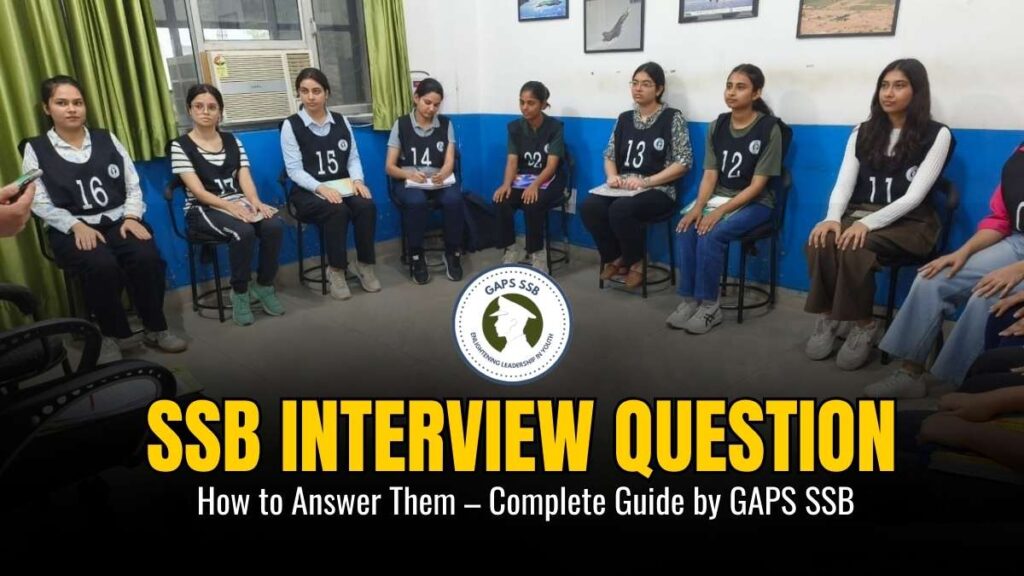
The Services Selection Board (SSB) interview is one of the most important stages in the selection process for candidates who want to join the Indian Armed Forces through entries like NDA, CDS, AFCAT, and other defence exams. The interview is designed to evaluate a candidate’s personality, leadership ability, decision-making skills, and Officer Like Qualities (OLQs). Many aspirants feel nervous because they are unsure about the SSB Interview Question patterns asked by the Interviewing Officer (IO). Understanding the Most Common SSB Interview Question patterns can help candidates prepare confidently and respond naturally during the interview. At GAPS SSB in Delhi, candidates receive structured guidance and mock interview practice to handle every SSB Interview Question effectively. Below is a detailed guide to the Most Common SSB Interview Question categories along with practical answering tips. 1. Tell Me About Yourself One of the Most Common SSB Interview Question candidates face is “Tell me about yourself.” This question helps the Interviewing Officer understand your background and communication ability. Answering Tip Keep your introduction structured and natural. Your answer should include: What to Avoid Avoid giving a long memorized speech. The goal is to show clarity and confidence while answering this SSB Interview Question. 2. Tell Me About Your Family Background Another Most Common SSB Interview Question focuses on your family because the board wants to understand your upbringing and values. Answering Tip Speak respectfully about your family and highlight what you learned from them. Example approach: “My father works as a [profession], and from him I learned discipline and dedication. My mother is a [profession/homemaker], and she taught me patience and responsibility.” This type of response shows maturity and sincerity while answering the SSB Interview Question. 3. Why Do You Want to Join the Armed Forces? This is one of the Most Common SSB Interview Question asked to understand your motivation for joining the military. Answering Tip Connect your answer with values such as: What to Avoid Avoid saying you want to join only for job security or prestige. The board expects genuine motivation when answering this SSB Interview Question. 4. What Are Your Strengths and Weaknesses? Questions about strengths and weaknesses are a Most Common SSB Interview Question designed to evaluate your self-awareness. Answering Tip Mention strengths that relate to Officer Like Qualities, such as: For weaknesses, choose something realistic and explain how you are improving it. Example: “I used to feel nervous while speaking in groups, but I have been improving by practicing group discussions and presentations.” Honesty is important when responding to this SSB Interview Question. 5. Questions Based on Your PIQ Form The Personal Information Questionnaire (PIQ) plays a crucial role in the SSB Interview Question process. Many questions asked by the Interviewing Officer come directly from this form. Answering Tip Be completely honest while filling the PIQ. For example: If you mention reading books as a hobby, you should be ready to answer questions about: Preparation for PIQ-based questions helps candidates confidently handle the Most Common SSB Interview Question types. 6. Current Affairs and General Awareness Questions Questions related to national and international events are another Most Common SSB Interview Question category. Preparation Tip Stay updated with: Example questions may include: Being informed helps candidates respond confidently to this SSB Interview Question category. 7. Situational Questions Situational problems are a Most Common SSB Interview Question used to test decision-making and leadership qualities. Example: “If you see two friends fighting in your group, what will you do?” Answering Tip Your response should show: The goal is to demonstrate maturity while answering this SSB Interview Question. 8. Questions Related to Academics and Career Choices The Interviewing Officer may ask questions related to your academic subjects. Example: “As a mechanical engineering student, how can your knowledge benefit the armed forces?” Answering Tip Explain how your academic knowledge can contribute to problem-solving, technology, or operational efficiency. This shows clarity while answering the SSB Interview Question. 9. Questions About Hobbies and Extracurricular Activities This is another Most Common SSB Interview Question category. If you mention hobbies such as sports, music, or reading, be prepared for follow-up questions. Example: Never write false hobbies in your PIQ, because the Interviewing Officer will explore them during the SSB Interview Question session. 10. Tricky and Stress Questions Sometimes the Interviewing Officer may ask difficult or unexpected questions to test your composure. Example: “If you are not selected this time, what will you do?” Answering Tip Show determination and optimism. Example response: “I will analyze my weaknesses, improve myself, and prepare better for the next attempt.” Handling such moments confidently is key when answering the Most Common SSB Interview Question types. How to Prepare for SSB Interview Questions Preparing for the Most Common SSB Interview Question requires consistent self-improvement and practice. Daily Self-Reflection Review your daily activities and identify situations where you demonstrated leadership or responsibility. Mock Interviews Practicing mock interviews helps you become comfortable with any SSB Interview Question. Improve Communication Skills Clear and confident communication is essential during the interview. Stay Updated with Current Affairs Regular reading helps you answer knowledge-based questions effectively. Be Honest and Natural Authenticity is the most important factor while answering any SSB Interview Question. Role of GAPS SSB in Interview Preparation At GAPS SSB in Delhi, aspirants receive professional guidance to prepare for every Most Common SSB Interview Question through structured training programs. Training includes: The institute focuses on building confidence, clarity, and Officer Like Qualities, which are essential for success in the SSB selection process. Conclusion The SSB interview is not about memorizing answers but about presenting your real personality and leadership potential. Preparing for the Most Common SSB Interview Question helps candidates stay confident and composed during the interview. With regular practice, self-awareness, and proper mentorship, candidates can confidently face any SSB Interview Question and move closer to their goal of joining the Indian Armed Forces.
AFCAT 1 Result 2026 Out – Check Score Card
The AFCAT 1 Result 2026 Out announcement has brought excitement for thousands of defence aspirants across India. The Indian Air Force (IAF) has officially declared the AFCAT 01/2026 result on 11 March 2026, and candidates who appeared for the examination can now check their AFCAT scorecard online through the official AFCAT portal. With the AFCAT 1 Result 2026 Out, candidates can now download their individual scorecard PDF, which contains important details such as sectional marks, total score, and qualification status in the written examination. Aspirants who clear the written exam will move to the next stage of the selection process, which is the SSB Interview. For candidates preparing for the SSB stage, structured preparation and guidance are essential. Institutes like GAPS SSB in Delhi provide focused SSB interview training to help candidates build the Officer Like Qualities (OLQs) required for selection in the Indian Armed Forces. AFCAT 1 Result 2026 Out – Latest Update The AFCAT 1 Result 2026 Out notification has been officially released by the Indian Air Force. Candidates who appeared in the Air Force Common Admission Test (AFCAT) 01/2026, conducted on 31 January 2026, can now check their results through the official website. The announcement of the AFCAT 1 Result 2026 Out marks the completion of the first stage of the officer recruitment process for the following branches: With the AFCAT 1 Result 2026 Out, candidates can log in to the official portal using their registered email ID and password to access their scorecard. AFCAT 1 Result 2026 Out – Overview Here is a quick overview of the AFCAT 1 Result 2026 Out details: Particulars Details Conducting Authority Indian Air Force Exam Name Air Force Common Admission Test (AFCAT) 01/2026 Branches Flying & Ground Duty Result Status AFCAT 1 Result 2026 Out Result Date 11 March 2026 Exam Date 31 January 2026 Mode of Result Online Login Credentials Registered Email ID and Password Official Website afcat.cdac.in The release of the AFCAT 1 Result 2026 Out has allowed candidates to check their performance in the written exam and prepare for the next stage. AFCAT 1 Result 2026 Out – Score Card Download With the AFCAT 1 Result 2026 Out, candidates can now download their AFCAT scorecard from the official website. The scorecard contains important information such as: Candidates should download and keep a printed copy of the scorecard for future use during the SSB interview and document verification process. To check the AFCAT 1 Result 2026 Out, visit the official website: Official Website: afcat.cdac.in How to Check AFCAT 1 Result 2026 Candidates can follow these simple steps to check the AFCAT 1 Result 2026 Out online. Step 1 Visit the official AFCAT website: afcat.cdac.in Step 2 Locate the candidate login section on the homepage. Step 3 Enter your Registered Email ID and Password. Step 4 Click on the Login button. Step 5 Your AFCAT scorecard will appear on the screen. Step 6 Download the scorecard PDF and save it for future reference. After the AFCAT 1 Result 2026 Out, candidates should verify all the details mentioned in the scorecard carefully. Login Credentials Required to Check AFCAT Result To access the AFCAT 1 Result 2026 Out scorecard, candidates must use the login credentials created during registration. Required details include: These credentials are necessary to log in to the official AFCAT portal and download the scorecard. What After AFCAT 1 Result 2026 Out? Now that the AFCAT 1 Result 2026 Out has been declared, shortlisted candidates will move to the next stage of the selection process. 1. SSB Interview Candidates who qualify in the written exam will be called for the Services Selection Board (SSB) Interview, which typically lasts five days. The SSB selection process includes: Preparing for the SSB interview is crucial after the AFCAT 1 Result 2026 Out, as this stage evaluates personality, leadership qualities, and decision-making ability. Institutes like GAPS SSB provide specialized SSB interview coaching in Delhi, including psychological test practice, GTO task training, and personal interview preparation. 2. Document Verification Candidates who appear for the SSB must bring original educational certificates and identity documents for verification. 3. Medical Examination After clearing the SSB interview, candidates must undergo a medical examination conducted by the Indian Air Force to ensure they meet the required medical standards. Importance of SSB Preparation After AFCAT Result The AFCAT 1 Result 2026 Out is only the first step toward becoming an officer in the Indian Air Force. The SSB interview is the most crucial stage, where candidates are assessed on their personality, leadership skills, communication ability, and decision-making. Proper preparation, guidance from experienced mentors, and regular practice of psychological tests and GTO tasks can significantly improve a candidate’s chances of success. Institutes like GAPS SSB in Delhi help candidates develop Officer Like Qualities (OLQs) through structured training programs, mock interviews, and practical outdoor tasks. AFCAT 1 Result 2026 Out – FAQs Is the AFCAT 1 Result 2026 Out? Yes, the AFCAT 1 Result 2026 Out was officially released by the Indian Air Force on 11 March 2026. Where can I check the AFCAT 1 Result 2026? Candidates can check the AFCAT 1 Result 2026 Out on the official website:afcat.cdac.in What details are required to check the AFCAT result? Candidates need their Registered Email ID and Password to log in and check the AFCAT scorecard. When was the AFCAT 01/2026 exam conducted? The AFCAT 01/2026 exam was conducted on 31 January 2026. Conclusion The announcement of the AFCAT 1 Result 2026 Out is a major milestone for defence aspirants aiming to join the Indian Air Force. Candidates who have cleared the written exam should now focus on preparing for the SSB interview, which plays a crucial role in the final selection process. With consistent preparation, strong personality development, and proper guidance, aspirants can move one step closer to achieving their dream of becoming an officer in the Indian Armed Forces.
How to Join MARCOS in Indian Navy | Complete Joining Process
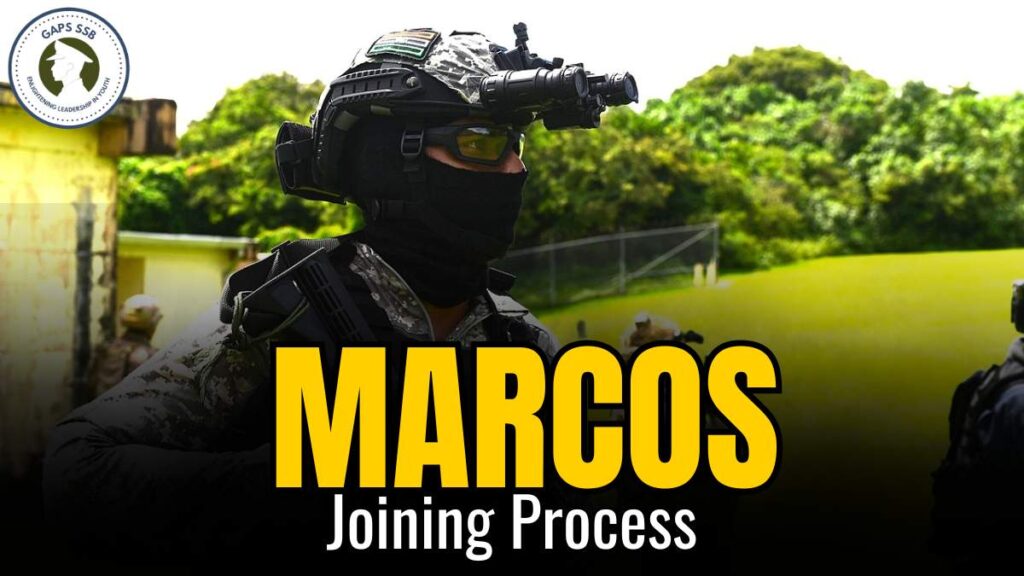
Joining the Marine Commandos (MARCOS) of the Indian Navy is a dream for many defence aspirants who wish to serve the nation in one of the most elite special forces units. Known for their exceptional combat skills, extreme endurance, and fearless operations, MARCOS commandos carry out high-risk missions in sea, air, and land environments. However, becoming part of this prestigious unit requires clearing one of the toughest military selection and training systems. Understanding the MARCOS joining process is essential for candidates who want to pursue this challenging path. This guide explains the MARCOS joining process, eligibility requirements, training stages, and what it takes to become a Marine Commando in the Indian Navy. What is MARCOS? MARCOS stands for Marine Commandos, the special forces branch of the Indian Navy responsible for conducting maritime special operations, counter-terrorism missions, and strategic reconnaissance. They are trained for: Due to their unique operational capability, MARCOS commandos are considered among the most elite special forces units in the world. MARCOS Joining Process – Step-by-Step Guide The MARCOS joining process is different from many other military entries because there is no direct entry for civilians. Candidates must first join the Indian Navy and then volunteer for this elite force. Below is a step-by-step explanation of the MARCOS joining process. 1. Join the Indian Navy The first and most important step in the MARCOS joining process is to become a member of the Indian Navy. Candidates can join the Navy through different entries such as: Once selected and trained as a naval officer or sailor, candidates can volunteer for MARCOS. 2. Volunteer for MARCOS Selection The second stage in the MARCOS joining process is volunteering for the Marine Commando Force. Only male volunteers from the Indian Navy are eligible to apply. Candidates from other armed forces branches cannot directly apply for this unit. Once a volunteer applies, they must undergo a rigorous selection procedure designed to identify individuals with exceptional physical and mental strength. 3. Pre-Selection Phase The pre-selection stage is the first screening stage in the MARCOS joining process. This stage typically lasts three days and evaluates candidates on: During this stage, many candidates are eliminated. The attrition rate can be as high as 80%, meaning only a few candidates move forward to the next level. 4. Intensive Selection Process After pre-selection, candidates enter the main selection stage, which is considered one of the most demanding parts of the MARCOS joining process. This phase lasts around five weeks and involves extremely challenging physical tasks. Candidates may be required to perform: During this phase, candidates also experience severe sleep deprivation and continuous physical stress. Only the most determined individuals manage to continue in the MARCOS joining process. 5. Basic Special Forces Training Candidates who clear the selection stage move forward to basic special forces training, another important phase in the MARCOS joining process. This training includes: The goal of this stage is to transform selected candidates into highly capable special forces operators. 6. Advanced Special Forces Training The next phase of the MARCOS joining process is advanced training and probation. During this stage, candidates learn: Candidates also join operational teams to gain practical field experience. 7. Final Qualification and Deployment The final stage of the MARCOS joining process is completing the probation period and qualifying as a full Marine Commando. The entire MARCOS joining process can take up to two years of continuous training and evaluation. Due to the extreme difficulty of the program, only 10% to 25% of candidates successfully complete the MARCOS joining process and become part of the elite Marine Commando Force. Skills Required to Complete the MARCOS Joining Process To successfully complete the MARCOS joining process, candidates must possess several key qualities: These qualities are also evaluated during the Services Selection Board (SSB) interview, which is an important stage for candidates entering the Indian Armed Forces. Preparing for the MARCOS Joining Process For defence aspirants who aim to become part of elite units like MARCOS, preparation should begin early. Candidates must focus on: Many aspirants also seek guidance from experienced mentors to develop the Officer Like Qualities required for military selection. Conclusion The MARCOS joining process is one of the most challenging paths in the Indian Armed Forces. It requires determination, discipline, and the ability to perform under extreme conditions. From joining the Indian Navy to completing years of rigorous training, every stage of the MARCOS joining process is designed to identify only the best and most capable candidates. For those who succeed, becoming a Marine Commando is not just a career—it is a lifetime honor of serving the nation in one of its most elite forces.